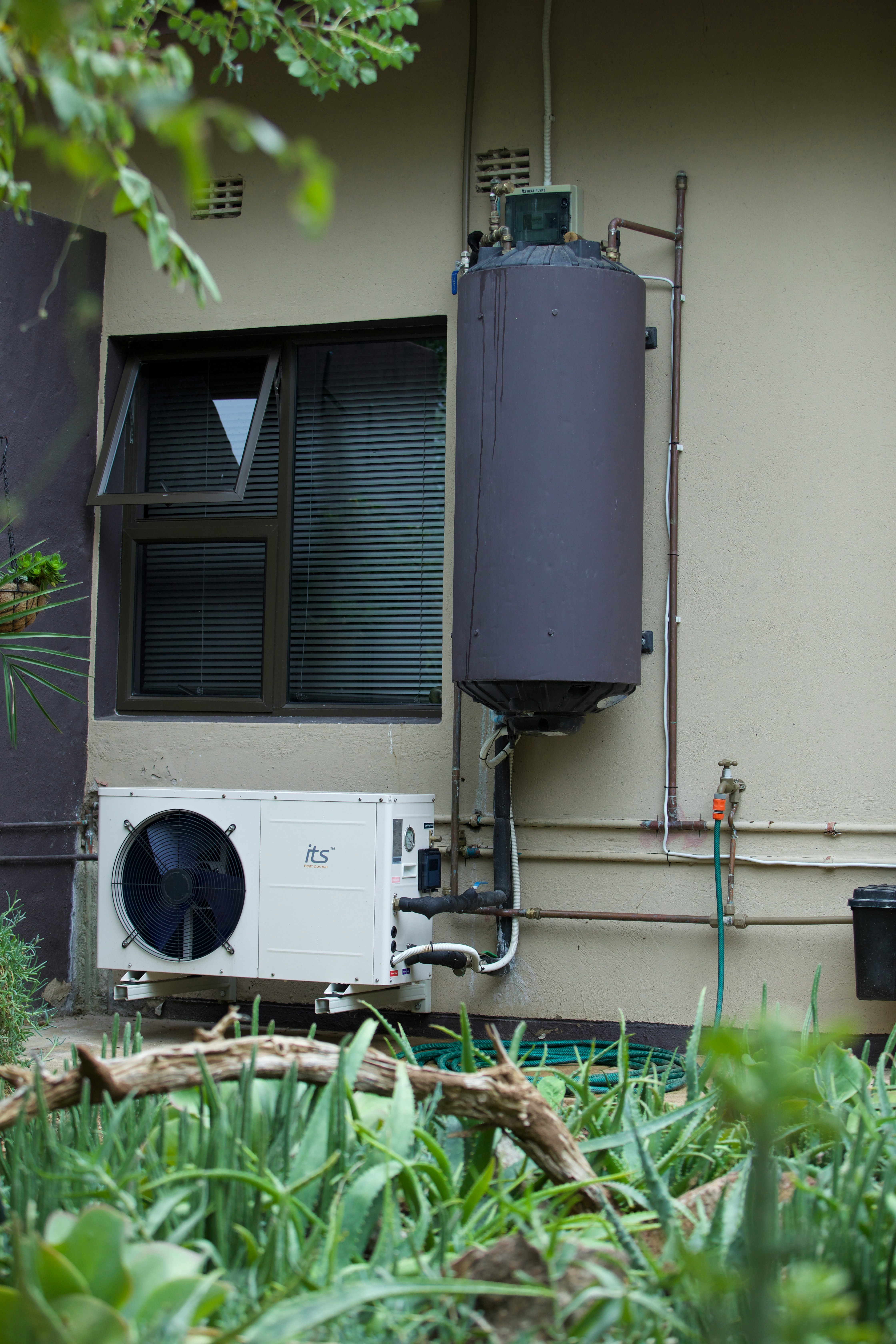
- Every water-heater replacement in San Francisco needs a permit — and the specific sub-permit stack depends on what you're replacing it with
- The Bay Area Air District Rule 9-6 zero-NOx compliance dates by equipment class, and why a pending small-unit proposal has not taken effect yet
- The panel-upgrade trap that can turn a heat-pump water-heater swap into a much bigger electrical project
- Which federal and utility rebates are actually still active right now, since one commonly cited federal credit and a commonly cited BayREN rebate have already ended
- When you can legally do the work yourself under California's owner-builder exemption
The gas water-heater transition
Bay Area Air District Rule 9-6 sets a zero-NOx standard for new natural-gas storage-tank water heaters with a rated heat input of 75,000 BTU/hour or less that are manufactured after January 1, 2027. For boilers and water heaters rated from 75,001 to 2,000,000 BTU/hour, the current rule sets the corresponding standard for equipment manufactured after January 1, 2031.
A July 2026 draft amendment proposes delaying the small residential requirement from January 1, 2027 to January 1, 2028 and creating proposed flexibility exemptions for qualifying low-income property owners and certain panel-capacity or space-constraint situations. It has not been adopted, so it is not the current rule. Verify the current adopted rule and the category of your equipment directly against the Air District's Building Appliances page before purchasing equipment.
What this means for you:
If your gas water heater fails before the applicable zero-NOx standard takes effect: Ask a licensed installer which compliant replacement options are available for your equipment class and what permits the scope requires.
If your gas water heater fails after an applicable zero-NOx standard takes effect: Confirm whether the adopted standard applies to your exact equipment category and what compliant options are available. Do not plan around the proposed exemptions unless and until they are adopted.
If your gas water heater is currently working: You have a choice. Replace it proactively while gas is still available, or wait until it fails and plan for the electric transition. Neither is wrong — it depends on your budget, your building's electrical capacity, and how long your current unit has left.
Water heaters typically last many years. If yours is approaching or past typical service life, planning your next replacement now — including whether it will be gas or electric — gives you time to address any electrical infrastructure needs proactively rather than in an emergency.
Which permits you need
Do not assume a water-heater replacement is permit-free in San Francisco. Confirm the permit path before work begins; skipping required permits can create disclosure and inspection issues when you eventually sell.
The specific permit path varies by replacement type. Use the following as questions for DBI or your contractor rather than as a universal permit checklist:
Like-for-like gas water heater replacement: Confirm whether the job changes piping, venting, location, or fuel connections, and ask which plumbing, mechanical, or boiler permit services apply.
Like-for-like electric tank replacement: Confirm whether pipe replacement or a new electrical circuit is part of the scope.
Gas-to-heat-pump water heater conversion: Confirm the plumbing, electrical, gas-disconnection, drainage, location, and ventilation details before work begins.
Gas-to-electric tank conversion: Confirm the plumbing, electrical, and gas-disconnection work with DBI or the contractor pulling the permits.
Tankless water heater installation: Confirm the selected model's gas-line, venting, electrical, and water-piping requirements.
Registered contractors can use DBI's instant online permit services for eligible electrical, plumbing, mechanical, and boiler work. Complex work can require a different review path. For current amounts, use DBI's published fee tables and ask the contractor to separate permit fees from labor and equipment in the quote.
How to budget accurately
Water-heater replacement costs vary with:
- Equipment choice: Gas, electric resistance, heat pump, and tankless units have different purchase and installation needs.
- Installation complexity: Existing space, venting, piping, electrical capacity, and drainage can all change the work.
- Contractor scope: A conversion may need both plumbing and electrical expertise.
- Property conditions: Access, panel capacity, service size, and any needed repairs can affect the final plan.
To build a realistic budget:
- Get written quotes from qualified contractors.
- Ask each quote to separate equipment, labor, permit fees, electrical work, and any recommended repairs.
- Verify current permit fees with DBI.
- If considering a heat-pump water heater, request an electrical load calculation before finalizing equipment.
The panel-upgrade trap
A gas-to-electric water-heater conversion can reveal constraints in an older electrical system. Heat-pump water heaters commonly need a dedicated electrical circuit, but the circuit size and installation requirements depend on the product and the home.
Before choosing equipment:
- Look at your main panel. The main breaker number tells you your service size. Older San Francisco homes may have smaller, undersized services, while newer or upgraded homes typically have larger ones — there's no single official figure for the range across San Francisco's housing stock, so don't assume; a licensed electrician can read your actual panel rating directly.
- Consider your existing large loads — electric range, electric dryer, EV charger, central AC, or heat pump for heating. Each draws a significant amount of power (typical amperages vary by specific equipment).
- Understand that simple addition isn't a complete answer. Actual load calculations (National Electrical Code / California Electrical Code Article 220) use demand factors — not all loads run simultaneously. A licensed electrician can perform the proper calculation.
Have a licensed electrician assess the project before you commit to a model. If capacity is insufficient, the work may require a panel upgrade, utility coordination, permits, and additional inspections. Learning that early gives you more choices than discovering it after equipment has been ordered.
Common mistakes San Francisco homeowners make
1. Skipping the permit entirely.
Water heater replacement is easy to hide. Contractors sometimes offer to "handle it without a permit" to save time. Our unpermitted-work consequences guide explains the potential penalty and resale risks of that choice.
2. Assuming your existing panel supports electric.
The "just switch to a heat pump" narrative ignores that many older San Francisco homes need panel upgrades. Load calculation first, appliance decision second.
3. Missing the condensation drain requirement.
Heat pump water heaters generate condensation as a byproduct of operation. Code requires a proper condensate drain — either gravity to a floor drain or a condensate pump. Retrofitting this in a location without existing plumbing adds to installation cost.
4. Ignoring seismic straps.
Every water heater in California — new, replacement, or already-existing — must be secured per California Health and Safety Code §19211, and this is an ongoing requirement, not something that only matters at the time of sale. Inspection fails without proper strapping.
5. Not upgrading the pressure/temperature relief valve.
Newer water heaters may require different T&P relief valve specifications than older installations. Verify with your plumber that the T&P valve meets current requirements.
6. Waiting until failure to plan.
Emergency water heater replacements typically cost more than planned replacements because contractors charge more for after-hours or weekend service, and you lose the ability to shop around or apply for rebates. If yours is approaching typical service life, plan the replacement now.
Rebates and incentives — verify current amounts (and current existence)
Multiple programs may offset the cost of a heat pump water heater in San Francisco, but rebate and tax-credit landscapes change — and two commonly cited programs have already ended or been replaced. Verify current program terms directly before budgeting around any of these:
Federal Inflation Reduction Act tax credit (§25C) — ENDED for new installations.
The §25C Energy Efficient Home Improvement Credit is no longer available for equipment placed in service after December 31, 2025, following the One Big Beautiful Bill Act signed July 4, 2025 (confirmed by IRS Fact Sheet 2025-05). If you're planning a water heater replacement now, do not budget on this credit being available — check the IRS Energy Efficient Home Improvement Credit page for the current, post-2025 status before assuming any federal tax credit applies.
BayREN rebates — the standalone "Home+" heat pump water heater rebate has ended.
BayREN's dedicated per-unit heat pump water heater rebate is no longer available (retired since April 2024). BayREN's current homeowner programs include the income-eligible EASE Home program, which covers a broader set of efficiency upgrades through a managed project rather than a standalone appliance rebate. Check BayREN's current incentive finder for what's actually available in your area today before assuming a specific BayREN rebate applies.
PG&E Rebates:
PG&E offers rebates for qualifying heat pump water heaters installed by qualified installers. Verify current programs directly with PG&E.
TECH Clean California (income-qualified) — currently closed to new single-family applications.
TECH Clean California's HEEHRA-funded, income-qualified single-family rebates have been fully reserved statewide since February 24, 2026, and the program is not accepting new income-verification applications for single-family projects — new requests go on a waitlist rather than receiving funding. Check current status at TECH Clean California before counting on this rebate; a waitlist spot only becomes usable if additional funding is released.
Not all programs stack, and program availability changes over time. Check current terms with a San Francisco-experienced installer or the individual program administrators before assuming a specific rebate stack for your project.
When to hire a plumber or electrician — and when owner-builder rules apply
For work performed for hire, choose appropriately licensed professionals. The California Contractors State License Board identifies C-36 as the plumbing classification and C-10 as the electrical classification. Ask a contractor to explain which parts of the project they will perform, subcontract, permit, and inspect.
California's owner-builder exemption can apply when an owner improves their property under the conditions in the statute. For the pathway in which the owner does the work, the improvement cannot be intended or offered for sale, and the owner must personally perform the work or use their own employees rather than unlicensed hired labor.
Owner-builders should note:
- Owner-builder work requires the same permits and inspections as licensed contractor work
- Owner-builders take on personal responsibility for meeting code
- A one-year resale presumption applies: under CA B&P §7044(b)(1), selling an owner-built structure within one year of completion creates a rebuttable presumption that the work was undertaken for purposes of sale, which can undercut the exemption
- Water heater work involves gas, plumbing, electrical, and seismic safety considerations — assess your comfort level honestly
See our Owner-Builder Permits guide for a homeowner-oriented overview.
Homeowner action plan
If your water heater is aging or has failed:
1. Assess the urgency.
- Working but aging: use the time to compare options.
- Leaking or failed: get prompt professional advice, but still confirm the permit and inspection path.
2. Check electrical capacity before choosing an electric option.
If you are considering a heat-pump or electric water heater, have a qualified electrician assess the proposed load before you purchase.
3. Get comparable quotes.
Ask qualified contractors to quote viable equipment options and explain what changes each option needs.
4. Verify incentives before purchase.
Check the program administrator's current terms. Some programs require specific products, qualified installers, pre-approval, or reservations.
5. Keep the permit and inspection process visible.
Ask who is responsible for permit applications, inspections, corrections, and final sign-off.
Related guides
Sources
Not sure which permits your specific San Francisco water heater replacement requires? Permit Compass analyzes your project, identifies every required permit and sub-permit, generates pre-filled DBI forms, and detects property-specific factors — for $49.