The short answer: most electrical work in San Francisco requires a permit. Some doesn't. The line is narrower than most homeowners assume.
The longer answer matters because electrical work affects safety, resale, and the scope of an electrification project. Heat pump water heaters, induction stoves, and EV chargers can all create electrical work in homes that were not originally wired for them.
This guide covers what generally needs a permit, how DBI charges for electrical permits, when to hire a licensed electrician, and the panel-capacity question to resolve before you buy an appliance.
What electrical work requires a permit in San Francisco
DBI says you need an electrical permit before installing new wiring or making alterations, extensions, or additions to an existing electrical installation. See DBI's electrical permit guidance and the exemptions in San Francisco Electrical Code Section 89.121 for the current rule. For filing options, including trade-only permits and projects needing a separate building permit, use our online permit application guide.
Work that generally requires a permit includes:
- Installing a new circuit, including a dedicated appliance circuit
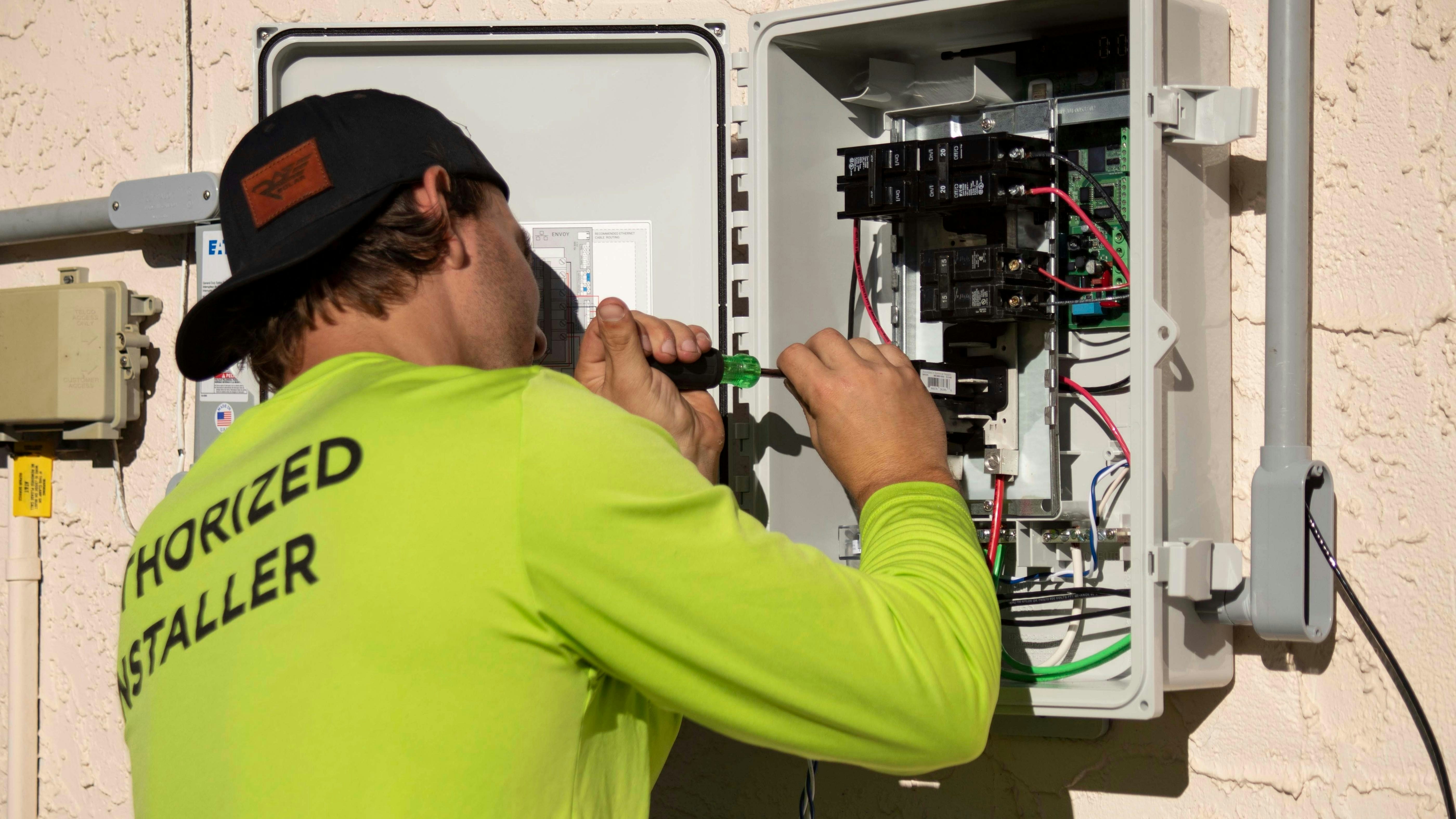
- Main-panel work, a subpanel, panel replacement, or a service upgrade
- Adding or moving outlets, switches, or light fixtures when the work changes the wiring
- Installing a new 240-volt circuit for an appliance
- Electrical work for solar interconnection or meter changes
- Electrical hookups for a heat pump water heater, heat pump HVAC system, or induction stove when a new circuit or other modification is needed
- Generator installation or whole-home rewiring
- Work affecting the service line or utility meter
Work that usually does not change the electrical installation includes:
- Replacing a light bulb
- Replacing a switch or outlet cover
- Replacing a light fixture in the same location without modifying wiring
- Replacing an appliance in the same location using the same existing plug and circuit
- Plug-in devices and battery-powered fixtures
EV charger installation depends on the circuit. DBI's EV Charger Permitting Checklist says no permit is required for a residential charger using a previously approved receptacle outlet and circuit that meet the charger's manufacturer specifications. A permit is required when installation needs a new circuit, panel work, or another electrical-system modification. DBI notes that existing circuits are often not EV-ready, so consult a licensed electrical contractor if there is any doubt.
The rule of thumb: if the work changes wiring inside the walls, adds electrical capacity, or changes how power is delivered to a fixture or appliance, confirm the permit requirement with DBI before work begins.
What you'll learn
- Which electrical jobs typically need a DBI permit and the EV-charger exception many guides miss
- How DBI's scope-based electrical fee schedule works
- The panel-upgrade trap that can turn an appliance swap into a larger project
- Why a licensed electrician's load calculation is more reliable than adding appliance amperage by hand
- What is changing under Bay Area appliance rules, and where to check their current status
Cost of San Francisco electrical permits
DBI charges electrical permit fees by the proposed scope of work, not through one generic homeowner price range. The current Electrical Permit Issuance and Inspection Fee Schedule was published July 12, 2026; use that official schedule for the amount that applies to your permit.
The schedule groups work by factors such as the number of outlets or devices, the type of service or distribution equipment, and other electrical work categories. An appliance and utilization equipment can count as an outlet or device for fee calculation. The application should itemize the proposed scope so DBI can determine the correct category.
For a realistic budget, keep three things separate:
- DBI permit fees. These are the scope-based fees in the City schedule.
- Electrical construction costs. Labor, materials, access conditions, and the amount of rewiring vary by home and contractor.
- Utility or project-specific work. A service upsize, or coordination outside the panel, can add separate steps and costs.
Get itemized bids from licensed electricians rather than relying on a generic construction-cost range. If a panel upgrade or service work might be needed, ask each bidder to state whether its price includes those items.
Timeline expectations
Simple electrical work may have a more direct permit path than a project combining electrical, plumbing, structural, or utility work. DBI's electrical permit page explains how registered contractors can apply online, but the time to issue a permit and complete the work still depends on scope, review needs, corrections, inspections, and utility coordination.
Panel upgrades, service work, whole-home rewiring, and projects that require multiple departments generally require more planning than a small circuit addition. Ask the electrician who will pull the permit for a project-specific schedule, including time for any correction cycle and inspection.
When to hire a licensed electrician
For work done by a contractor, verify that the contractor is properly licensed for the scope. California's C-10 Electrical Contractor classification covers installing or connecting electrical wires, fixtures, appliances, raceways, conduits, and related equipment. Check an active license through the CSLB license lookup before you hire.
Use a licensed electrician for:
- Panel or subpanel work
- Utility connection or meter changes
- Solar interconnection
- New circuits and substantial wiring changes
- Any job where you are uncertain about code or permit requirements
Owner-builder work is limited. California's owner-builder exemption can apply when an owner performs work on their own property or uses their own employees under the statutory conditions. It does not make unlicensed contracting lawful. If you plan to hire help, verify the licensing requirements before applying as an owner-builder.
For more on doing your own permits, see the San Francisco Owner-Builder Permits guide.
The panel upgrade trap
One of the most important questions in an electrification project is whether your existing electrical service and panel can support the added load.
How the trap works:
A homeowner plans for a heat pump water heater, induction stove, EV charger, or heat pump HVAC system. Before installing it, the electrician evaluates the home's existing loads and the proposed new equipment. If the panel or service cannot support the change, the project may need redesign, a panel upgrade, or utility coordination.
That is why the best time to discuss panel capacity is before selecting appliances or setting a final budget.
Homes that merit an early capacity review include:
- Older homes with smaller or aging electrical equipment
- Homes that already have multiple large electric appliances
- Homes with electrical systems that have been modified in stages
How to avoid the trap:
Before choosing appliances, ask a licensed electrician for a load calculation that covers your existing and planned equipment. A proper calculation uses code-defined demand factors; it is not simply a sum of appliance nameplate amperages. See the San Francisco Electrical Code and discuss your specific installation with the professional who will be responsible for the work.
Load calculations are particularly important when you are:
- Adding a heat pump water heater
- Converting from gas to an induction stove
- Installing an EV charger
- Adding heat pump HVAC
- Combining more than one of these upgrades
Electrification is triggering more electrical work
Bay Area appliance rules and San Francisco renovation requirements can make electrical planning relevant even when the project begins as a simple replacement or remodel.
- The Bay Area Air District's building-appliance rules establish zero-NOx standards for newly manufactured covered furnaces and water heaters beginning in 2027. They do not require replacement of an appliance already installed.
- On July 14, 2026, the Air District published a draft amendment to Rule 9-6 for public review before Board consideration. Check the current rule status and the equipment category before making a purchase decision.
- San Francisco has separate all-electric requirements for certain major renovations. See our San Francisco Electrification Rules guide for the current local context.
For homeowners, the practical point is to plan the electrical scope together. A water-heater replacement, EV charger, kitchen renovation, and HVAC project can each affect the same panel capacity. A licensed electrician's project-specific load calculation is the dependable way to understand the combined effect.
Common San Francisco electrical permit mistakes
1. Treating every EV charger the same.
A residential charger on a previously approved, manufacturer-compliant circuit has a narrow DBI exception. Do not assume your existing receptacle qualifies without confirming the equipment and circuit.
2. Skipping a capacity review before buying appliances.
Ask about panel capacity before committing to a heat pump water heater, induction range, EV charger, or HVAC upgrade.
3. Treating an old permit as approval for new work.
A prior panel permit does not authorize a new circuit or later electrical modification.
4. Waiting to discuss utility coordination.
If the project may change service equipment, ask the electrician early which party will handle utility coordination and what it could add to the schedule.
5. Using an owner-builder application to hire unlicensed labor.
The owner-builder exemption has conditions. Review the CSLB's owner-builder guidance before selecting that path.
What to do if you already did unpermitted electrical work
Electrical work should not be left unresolved. A licensed electrician can help assess the installation and explain what DBI may require to bring it into compliance.
- Assess the situation. Document what was installed, when it was done, and whether a licensed electrician performed the work.
- Ask about permits and inspections. DBI can explain the appropriate application path; an inspector may need to verify work that is already complete.
- Plan for corrections. Existing work may need changes before it can meet the code that applies to the permitted scope.
- Get project-specific legal advice when selling. Speak with a qualified real-estate attorney if the work affects a planned transaction.
For broader context, see What Happens If I Build Without a Permit in San Francisco?.
Homeowner action plan
Before any electrical project:
- Confirm whether a permit is required. Start with DBI's electrical permit guidance.
- Get a load calculation for a significant new electrical load. Do this before buying appliances if a panel upgrade is possible.
- Verify licensing. Use the CSLB license lookup.
- Get a written scope. It should state who pulls permits, what is included, and who schedules inspections.
- Ask about code-related upgrades. Have the electrician explain the requirements that apply to the permitted scope.
If you are planning electrification:
- Do the load calculation before selecting equipment.
- Discuss related appliances together. A combined plan gives the electrician a clearer picture of the electrical demand.
- Ask about future capacity. Discuss whether the service and panel plan fit both the immediate work and realistic future needs.
- Address service work early. If the scope may involve the utility, build that coordination into the project schedule.
If your home's electrical history is unclear:
- Review the property's permit history.
- Have an electrician assess the panel and visible wiring during your next planned electrical project.
- Bring potential unpermitted work to the professional's attention before expanding the scope.
Related guides
Sources
Not sure which permits your specific San Francisco electrical project requires? Permit Compass analyzes your project scope, identifies every required permit and sub-permit, generates pre-filled DBI application forms, and flags common panel-capacity gotchas — for $49.