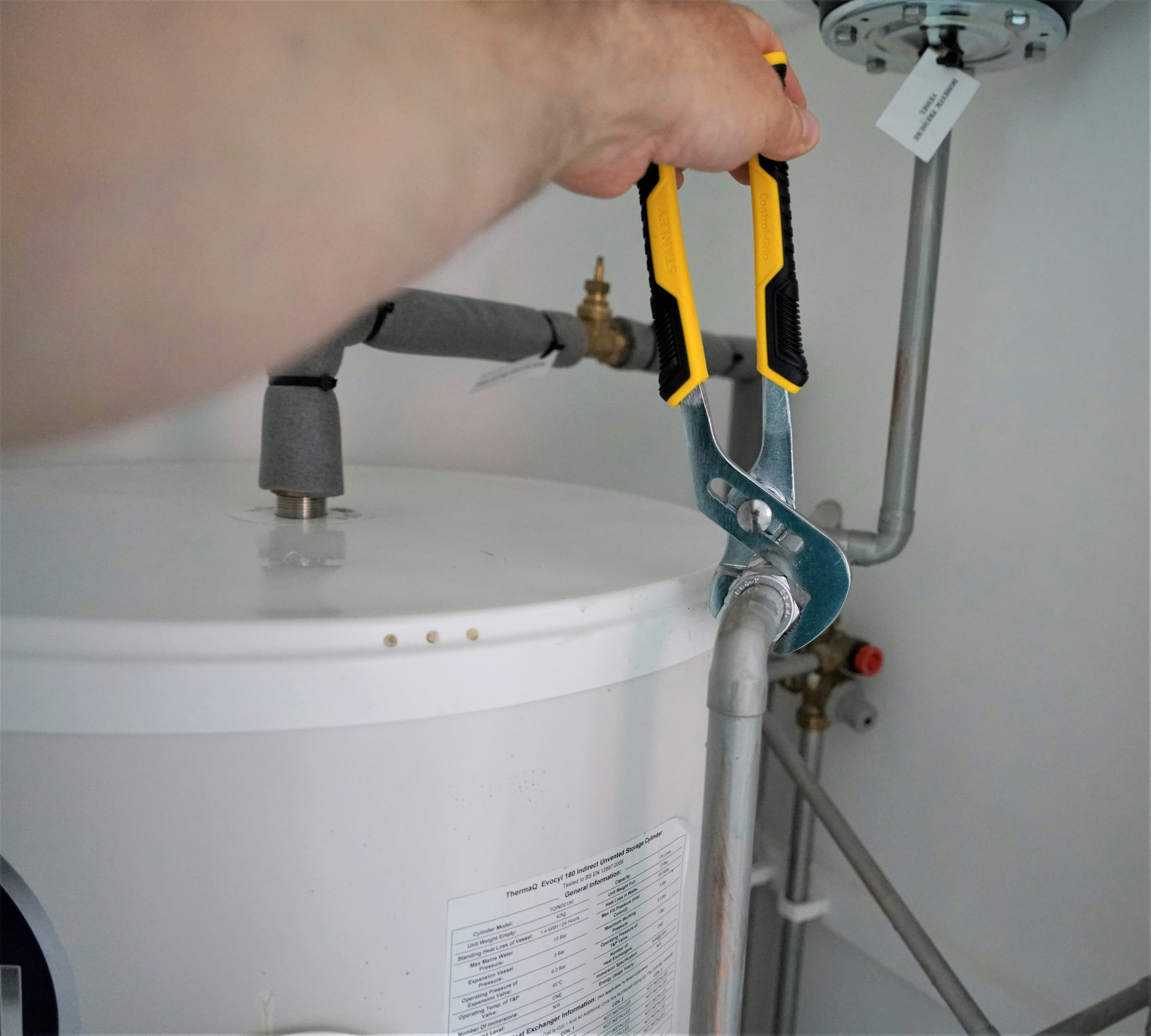
If you're planning a bathroom, kitchen, or whole-home renovation in San Francisco this year, electrification rules may affect your scope, equipment choices, or electrical planning. They do not, however, mean that every remodel automatically requires an appliance change or a panel upgrade.
Bay Area appliance rules, San Francisco's all-electric major-renovation rules, and local reach-code requirements come from different sources. The Air District rules address newly manufactured covered appliances, while San Francisco's renovation rule applies only to projects that meet its own scope thresholds. The details are spread across DBI, Planning, the Air District, and the San Francisco Department of the Environment.
For homeowners, the practical lesson is simple: check the rules and panel capacity before finalizing your renovation scope or buying an appliance. A project may need electrical or plumbing permits even when its main goal is not electrification, but the exact requirements are project-specific.
What You'll Learn
- The currently operative phase-out dates for covered gas water heaters and furnaces, including pending changes that are not yet adopted
- Which renovations are more likely to trigger electrification requirements and which usually do not
- DBI's current categorical permit fees for common gas-to-electric work
- Why infrastructure and utility costs need a project-specific contractor quote
- What renters should ask if their building owner is planning an electrification retrofit
What just changed
A few sets of rules are converging on San Francisco renovations:
Bay Area Air District Rules 9-4 and 9-6. These rules establish zero-NOx standards for newly manufactured covered gas furnaces and water heaters. They do not require replacement of an appliance that is already installed. Rule 9-4 currently lists January 1, 2029 as the furnace compliance date, but that date is under active review by the Air District's Implementation Working Group. Rule 9-6 dates vary by water-heater size: for small residential water heaters under 75,001 BTU/hr, the currently adopted and legally operative date is January 1, 2027. A draft amendment proposes January 1, 2028, but it has not been adopted and should not be treated as the current rule. Verify the date for your equipment category directly with the Bay Area Air District.
San Francisco's all-electric major-renovation rules. San Francisco has separate requirements for all-electric systems in qualifying major renovations. The scope thresholds, effective dates, and exemptions are specific enough to warrant their own explainer; see our dedicated guide to San Francisco's all-electric renovation rule.
Bay Area energy reach codes. Some jurisdictions require electric-readiness measures during certain alterations. The trigger and required work vary by jurisdiction and project scope, so confirm any pre-wiring, panel-capacity, or appliance-readiness requirement with DBI or the authority handling your permit.
The general pattern: the trigger for electric requirements is often the renovation's scope, not the homeowner's original appliance intent. Confirm the specifics before assuming that a project is either covered or exempt.
Which San Francisco renovations trigger electric requirements
Not every renovation triggers electrification requirements. The answer depends on the appliance category, the project scope, the existing electrical system, and which agency's rule applies. Use the categories below as planning guidance, not as a substitute for confirming your scope with DBI or your contractor.
Likely to trigger a requirement:
- Replacement of a covered gas water heater once the Rule 9-6 compliance date applies to its size category
- Furnace replacement once the Rule 9-4 compliance date applies
- Major kitchen or whole-home renovations that meet San Francisco's all-electric renovation scope thresholds (see our dedicated guide)
- New ADU construction, which generally has all-electric requirements under the rules for new construction
May trigger electric-readiness requirements without requiring an immediate appliance swap:
- Kitchen or bathroom remodels that add or change electrical work
- Any renovation that touches the electrical panel or service
- Alterations subject to a local reach-code requirement
Usually doesn't trigger an electrification requirement by itself:
- Cosmetic-only work such as paint, cabinets, or flooring
- Like-for-like appliance replacement while current rules still allow that replacement
- Exterior-only work with no electrical or mechanical scope
The thing that catches people off guard is that a project can start as a remodel and still add electrical work. Confirm with DBI or your contractor early rather than assuming that a "simple" project is automatically covered or exempt.
The real cost of gas-to-electric
The DBI permit fee is usually only one part of the project cost. Electrical construction, equipment, and utility coordination can matter more, but those costs vary too widely by home and scope for a generic online estimate to be reliable.
Current DBI permit categories for a straightforward gas-to-electric appliance swap:
- Electrical sub-permit for a new appliance circuit: $305 flat for Category 1 work covering up to 10 outlets or devices
- Plumbing sub-permit to remove or cap a gas line: $290 flat for Category 1P work
- Plan review, if additional review is required for panel or service work: $602 per hour, with a one-hour minimum
That means the electrical and plumbing categories alone start at about $595, before any plan-review hours or other applicable permit categories. DBI charges by scope and category, not by a single universal gas-to-electric conversion price. Check the current DBI fee schedule before applying.
The infrastructure side is not a DBI fee and requires a project-specific quote:
- Main electrical panel or service work, if the existing system cannot support the planned loads
- Possible PG&E coordination if the service size needs to increase
- New 240-volt circuit wiring
- Electrical hookup and condensation drainage for a heat-pump water heater
- Labor, access, patching, and other construction conditions
Get a load calculation and itemized contractor quotes before buying an appliance. The price of the appliance alone does not tell you what the delivered project will cost.
Timeline and permit process
Permit timing depends on the scope, whether plans are required, correction cycles, inspections, DBI workload, and utility coordination. The following describes the general process without promising a specific number of days:
For a like-for-like electric appliance replacement: If the work is eligible for OTC issuance, the Permit Center may handle it through a direct permit path. Electrical and plumbing sub-permits may be required, and the approved scope determines which inspections apply.
For a gas-to-electric conversion requiring panel or service work: The electrical permit may still have an OTC path, but a load calculation, additional review, or PG&E coordination can add steps beyond a straightforward appliance swap.
For a major renovation triggering all-electric requirements: The project may shift from OTC to in-house review depending on scope, with a fuller permit set, electric-infrastructure drawings, and potentially Planning coordination.
The homeowners who navigate this well share one habit: they get the panel load calculation before finalizing appliance selection. A licensed electrician uses the home's existing loads and planned equipment to determine whether the panel and service can support the project. Doing it early lets you scale the plans to the existing capacity, evaluate load-management options, or budget for an upgrade before construction begins.
What renters should know
If you rent in San Francisco, electrification rules affect you too, but through your building owner rather than directly.
For a rent-controlled unit, a landlord may be able to petition the Rent Board to pass through some eligible capital-improvement costs. Eligibility, the amount, and the process are fact-specific; a landlord must file a petition and cannot simply add a surcharge without following the applicable rules. See San Francisco Rent Board information on capital-improvement petitions.
San Francisco also has separate rules for temporary tenant removal during capital improvements and for substantial rehabilitation. Whether a particular electrification project qualifies, and what notice or relocation protections apply, depends on the property and the work. Review the Rent Board's temporary-eviction guidance and substantial-rehabilitation guidance before relying on a general rule.
California's Tenant Protection Act, including AB 1482, may also affect covered tenancies, but whether its substantial-remodel provisions apply to a particular retrofit is a fact-specific legal question. The statutory text and the San Francisco rules should be reviewed with the Rent Board or a qualified tenant-rights adviser.
If you're a renter facing an electrification retrofit:
- Ask your building owner in writing for the renovation timeline and scope
- Request the specific permits being pulled
- Ask the San Francisco Rent Board what notice, relocation, or right-to-return protections may apply
- Contact the Rent Board or a tenant-rights organization before signing an agreement or moving out
Homeowner action plan
Before starting any renovation:
-
Check what your existing scope actually triggers. Get a permit consultation with a San Francisco-experienced contractor or use a tool like Permit Compass to identify which permits and code requirements apply to your specific project.
-
Get an electrical panel load calculation. Do this before buying an appliance or setting a final budget if the project adds meaningful electrical load.
-
Verify your property's specific electrification triggers. Scope, existing equipment, and property conditions matter; what applies to a neighbor's project may not apply to yours.
-
Budget for infrastructure separately from the appliance itself. Ask for itemized contractor and utility estimates for circuits, panel or service work, drainage, and coordination.
-
Submit a complete application. Correction rounds add time regardless of season, so confirm the scope, required drawings, and responsible permit holders before filing.
The homeowners who complete San Francisco electrification projects within budget and timeline aren't the ones who found a magic shortcut. They're the ones who accounted for the full cost stack before starting, understood which permits were required, and coordinated their electrical, plumbing, and appliance work rather than treating each as separate.
Related guides
Sources
Have questions about how these rules apply to your specific San Francisco project? Permit Compass analyzes your renovation scope, identifies every required permit including electrification triggers, and generates pre-filled application forms — for $49.