Posted: July 4, 2026. Source: San Francisco Chronicle / San Francisco Department of the Environment.
The summary: As of July 1, 2026, San Francisco's All-Electric Major Renovations Ordinance requires most major home renovations that replace core mechanical systems to go fully electric. This extends San Francisco's existing all-electric mandate for new construction to now cover gut-level renovations of existing homes. Per San Francisco Department of the Environment estimates as reported by the San Francisco Chronicle, roughly 261 single-family and 293 multifamily projects per year are expected to be affected — about 0.2% of the city's single-family housing stock and 0.1% of multifamily housing stock annually. Standalone kitchen or bath remodels are generally NOT affected.
What the city just implemented
Starting Wednesday, July 1, 2026, property owners applying for permits on qualifying major renovations must install fully electric systems for space heating and cooling, water heating, cooking, and clothes drying. Natural gas cannot be used for any of these functions in the renovated portions.
The ordinance, sponsored by Board President Rafael Mandelman and co-sponsored by Supervisors Fielder, Melgar, and Mahmood, passed unanimously through committee before Board approval.
The rule applies only when a project meets BOTH of these conditions:
- Replaces major mechanical systems — water heaters, furnaces, or equivalent core equipment
- Involves significant structural work, defined per the ordinance's Major Renovation definition (San Francisco Environment Department, "Proposal: All-Electric Renovations Ordinance," July 24, 2025) as any of:
- Substantially moving, repairing, or modifying walls or ceilings on 2/3 or more of floors
- Modifying structural elements supporting 30% or more of the floor or roof area
- Expanding the building with new construction valued at 50% or more of the building's previous market value
If your project doesn't meet BOTH conditions, the all-electric rule doesn't apply to your permit.
Once a home is fully electrified, property owners can contact PG&E to remove the gas meter and cut off gas service entirely.
What it means for San Francisco homeowners doing typical projects
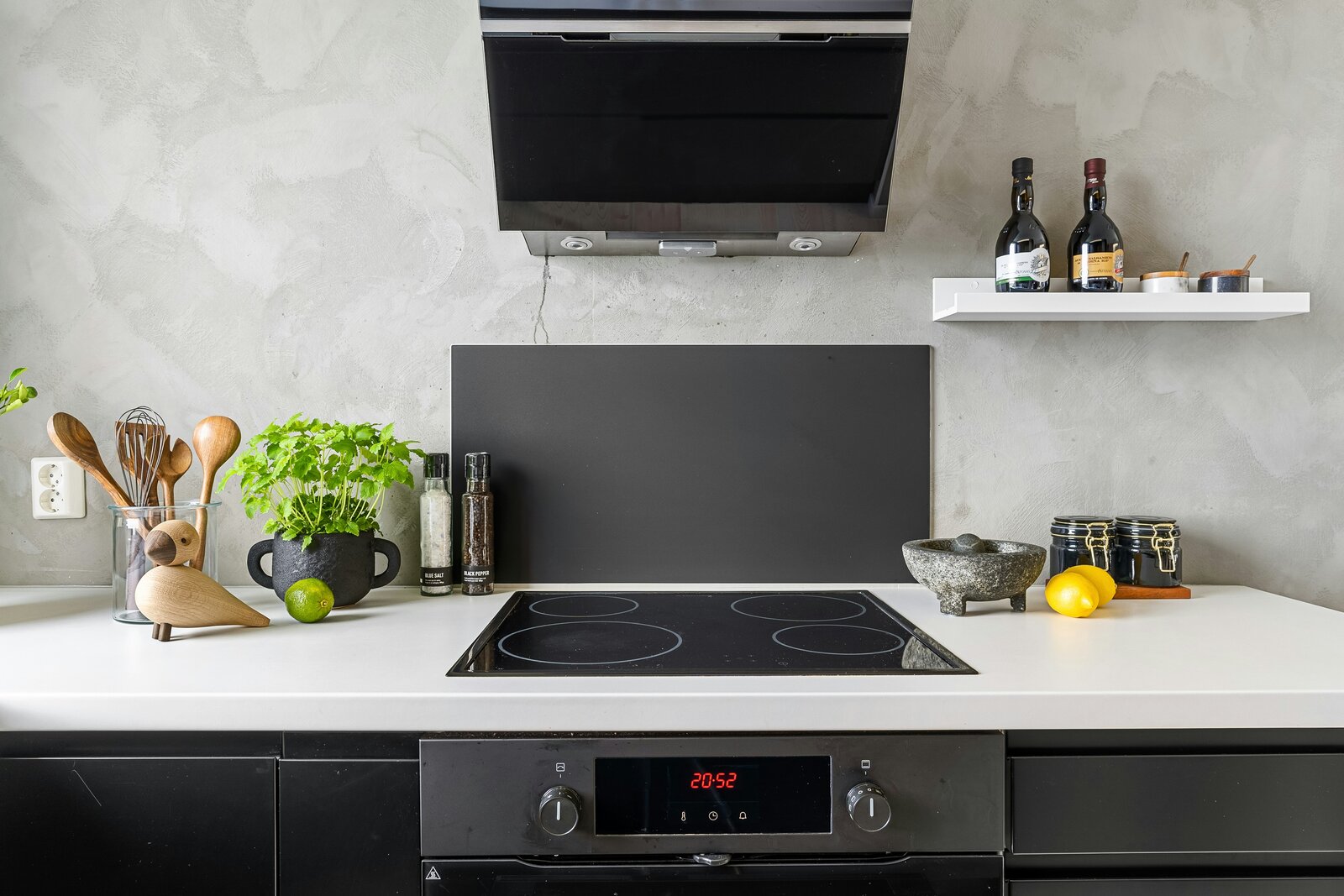
Kitchen remodel only (no gut renovation): NOT affected. A standalone kitchen remodel that doesn't touch two-thirds of the home's walls, doesn't modify structural elements supporting 30%+ of the floor, and doesn't dramatically expand the building doesn't meet the "major renovation" threshold. You can still install a gas range if that's what you want.
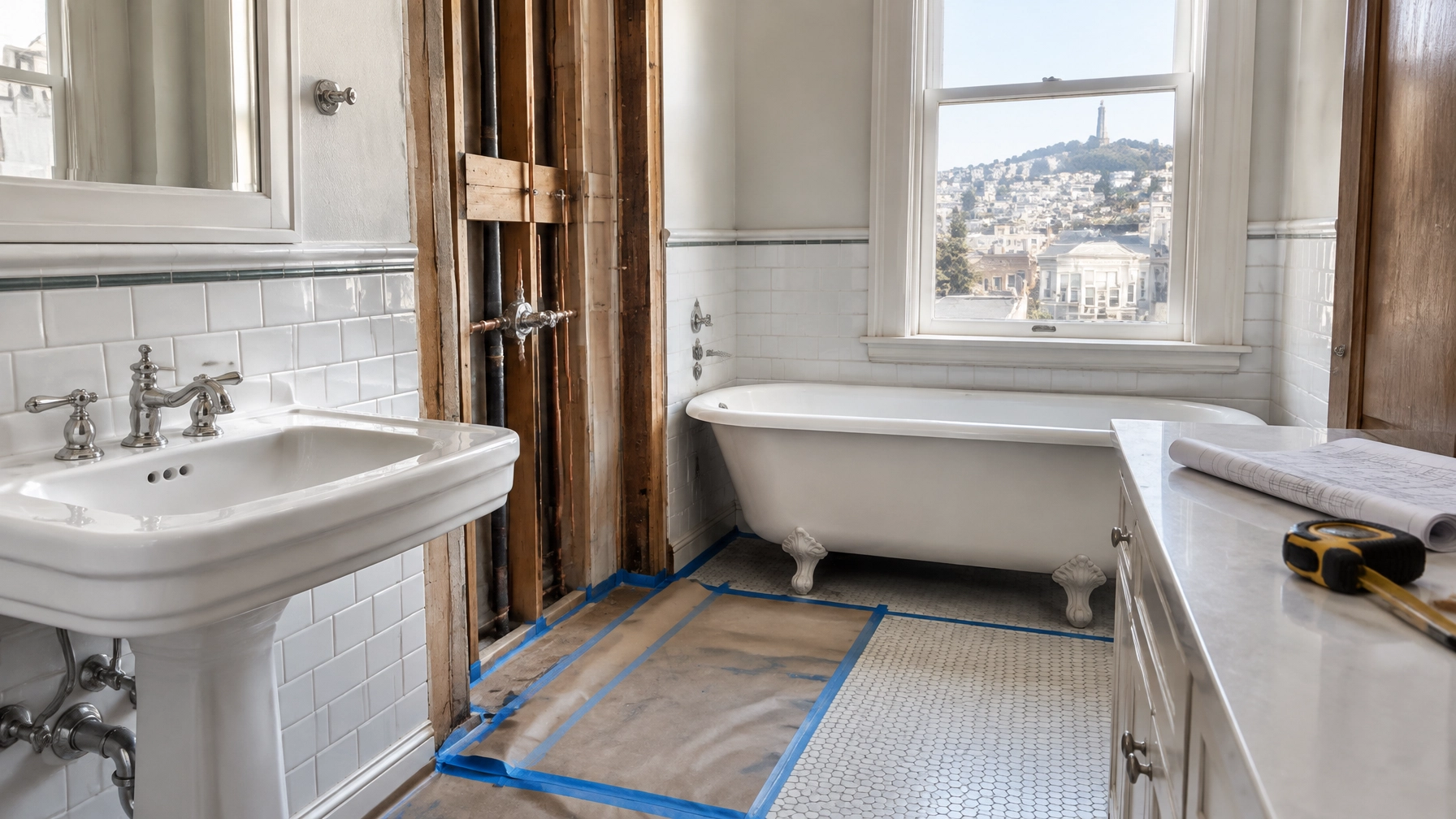
Bathroom remodel only: NOT affected. Same reasoning. Interior bath remodels rarely trigger the structural or extent thresholds.
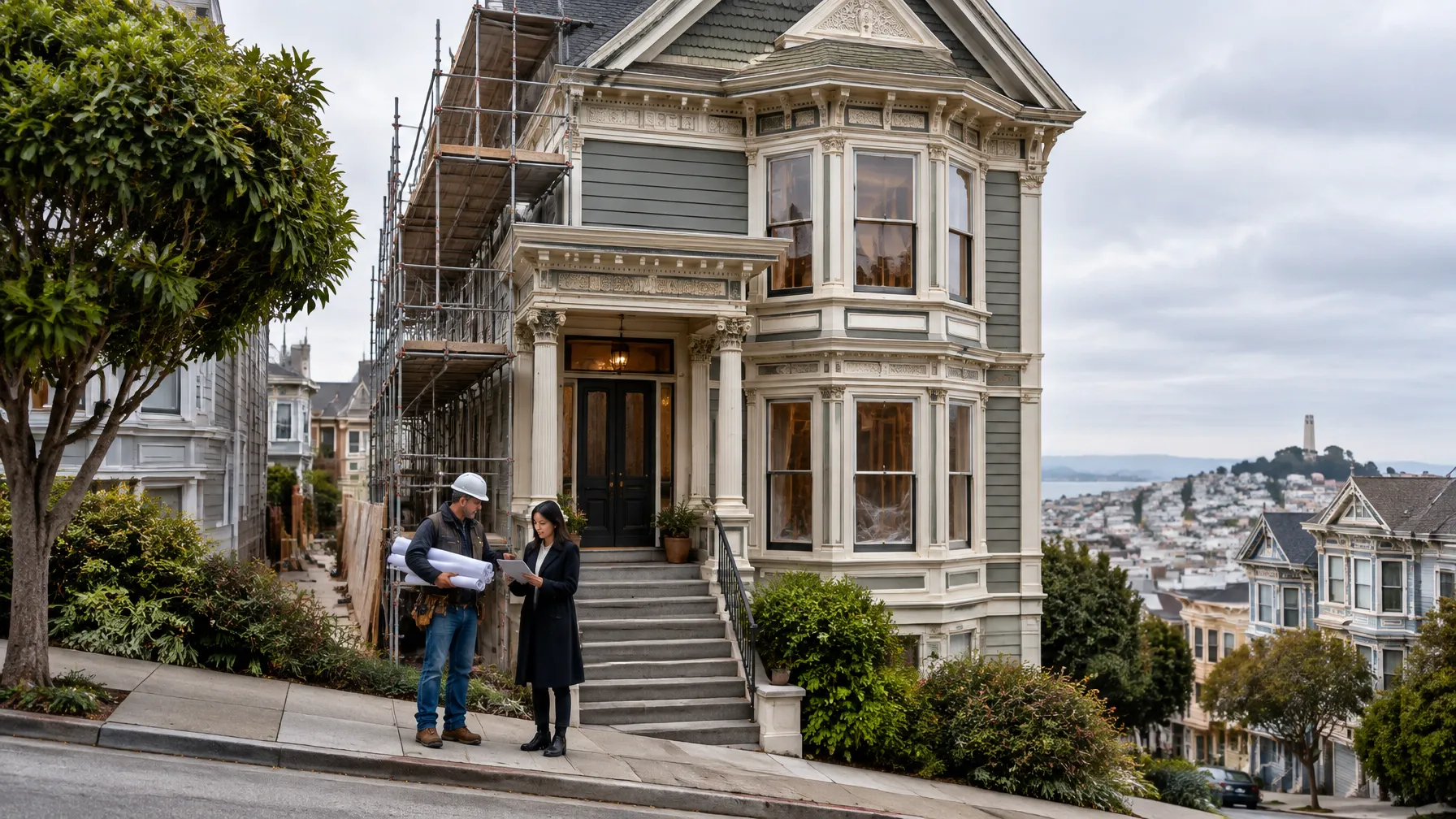
Whole-home gut renovation: LIKELY affected. If you're gutting most of the house and replacing the water heater or furnace as part of the project, this rule applies. Plan for all-electric systems throughout.
Detached ADU or major addition: DEPENDS on scope. New construction of an ADU has always been subject to the all-electric mandate for new construction. If your project also involves substantial renovation of the main house that meets the structural criteria, both parts are subject.
Attached ADU (garage conversion, in-law unit): LIKELY subject to the new construction all-electric rule rather than this renovation rule. Same practical result.
The cost question — will going all-electric raise your budget?
Per the ordinance's own cost analysis (San Francisco Environment Department, "Proposal: All-Electric Renovations Ordinance," Table 1: Incremental Cost Per Square Foot), all-electric renovations can actually save money in many cases compared to mixed-fuel renovations:
- Single-family homes: potential savings of around $2.14 per square foot
- Small hotels: potential savings of $14.56 per square foot
- Full-service restaurants (if not exempt from the cooking requirement): potential added cost of up to $39.50 per square foot, reflecting the higher cost of commercial-grade electric cooking equipment
The savings come from not needing to design, purchase, or install new gas piping during renovation. These are city-level estimates across many buildings, not a guarantee for any individual project — get a project-specific comparison from your contractor.
But there's an important caveat: electrical panel upgrades. Older San Francisco homes commonly have 100-amp panels, and adding electric heating, cooking, drying, water heating, and possibly an EV charger often requires upgrading to 200-amp service. Zach Heir of Heirloom Builders, quoted in San Francisco Chronicle coverage of the ordinance, describes this upgrade as a common cost driver for single-family homeowners.
Cyndy Comerford, San Francisco's climate program manager, has said in the same reporting that one of the "most common misconceptions" is that all-electric design automatically requires more electrical capacity — in many cases, efficient design and load management (smart electrical panels that prioritize which appliances run when) can allow a home to electrify without a full panel upgrade. Contractors don't always default to load management because it's a newer approach, so homeowners should specifically ask about it before assuming a full panel replacement is required.
For the distinction between local renovation requirements and air-district appliance standards, see our homeowner electrification rules guide.
Exemptions worth knowing about
Commercial cooking. Restaurants and food service buildings can retain natural gas for cooking equipment. This is the most widely used exemption.
100% affordable housing. Buildings composed entirely of affordable housing units qualify for an exemption, with gradual compliance requirements: mixed-fuel construction is allowed to the minimum extent necessary from July 1, 2027 through December 31, 2030, and all-electric becomes mandatory for these buildings starting January 1, 2031 — the exemption is time-limited, not open-ended.
Federal energy-efficiency law. Gas infrastructure serving certain appliances (many furnaces, water heaters, dryers, and cooking appliances) can be retained if the manufacturer has certified the appliance meets federal efficiency standards under the federal Energy Policy and Conservation Act (EPCA), per the ordinance's own exemption language.
Utility infrastructure delays. Projects can be exempted if going all-electric would require utility upgrades that cause substantially greater delay than a mixed-fuel project would. Higher cost alone is not grounds for exemption.
Exemptions appear to be used rarely: per San Francisco Chronicle reporting, 387 building permits have been filed since the related 2021 new-construction all-electric rule took effect, with only 8 exemptions approved.
Do you need to do anything different?
If you're already in permit review and submitted before July 1, 2026: Your project was submitted under the previous rules and should not be subject to the new mandate. Confirm with your permit reviewer.
If you're planning a kitchen or bath remodel: The rule likely doesn't apply. Verify with your architect or permit consultant that your scope doesn't accidentally trigger the "major renovation" threshold (unlikely for typical interior remodels).
If you're planning a whole-home renovation, addition, or major project: Budget for all-electric systems from the start. Have an electrician assess your panel capacity early — ideally before finalizing design — to know whether you need a panel upgrade or if load management can work.
If you're doing an ADU: Confirm which all-electric rule applies (new construction vs. major renovation). Both result in the same requirement, but exemption rules may differ.
If your renovation crosses the threshold and cost is a concern: Ask your contractor specifically about load management options before defaulting to a full panel upgrade. Not every home needs 200-amp service to electrify.
Anticipated permit activity
DBI Interim Director David Kane told the San Francisco Building Inspection Commission in May 2026 that the department was preparing for a "potential surge in permit applications" as owners rushed to submit under the prior rules ahead of the July 1 effective date.
For homeowners whose projects are still in planning: don't rush to file an incomplete application just to beat a deadline. An incomplete application will get rejected and force you to refile anyway. Better to submit a complete, properly-prepared application than a rushed one.
The original source
This post draws on San Francisco Chronicle coverage: "San Francisco is about to roll out a far-reaching new rule for major home renovations" by Brooke Park, and on San Francisco Department of the Environment materials as reported by Canary Media's "San Francisco fast-tracks all-electric standard for major renovations."
Get your project's current permit list
Permit Compass tracks San Francisco Building Code changes, Planning Code updates, and Department of Environment mandates that affect renovation projects. If your project might trigger the all-electric rule, we'll flag it in your permit plan with specific guidance on which systems are required and which are exempt.
→ Get your specific permit guidance — $49
Related reading:
- San Francisco Kitchen Remodel Permit Cost (2026 Breakdown)
- The Complete San Francisco ADU Permit Guide for 2026
- Owner-Builder Permits in San Francisco
- San Francisco Electrification Rules for Homeowners: Permits You'll Need
Sources
- San Francisco Department of the Environment — "Proposal: All-Electric Renovations Ordinance," Version: July 24, 2025 (via sfgov.legistar.com, ID 14553410)
- Canary Media: "San Francisco fast-tracks all-electric standard for major renovations"
- San Francisco Chronicle: "San Francisco is about to roll out a far-reaching new rule for major home renovations" by Brooke Park
- San Francisco Environment: All-Electric Major Renovations Ordinance press materials
- SF.gov: All-Electric New Construction Ordinance