Posted: July 5, 2026. Source: Office of the Mayor / San Francisco PermitSF Initiative.
The summary: In May 2025, Mayor Lurie marked the first 100 days of PermitSF with process improvements already underway and a six-ordinance legislative package. One provision matters directly to homeowners: removing a Planning Commission variance requirement for rebuilding certain existing noncomplying structures. The City now lists that variance measure as signed and effective September 4, 2025. It can remove one layer of review for qualifying work, but it does not make a deck or repair project permit-free.
What was announced
Mayor Lurie's PermitSF executive directive launched in February 2025. The May 2025 announcement paired administrative process improvements with six proposed ordinances affecting businesses and property owners.
The City identified these process improvements as already in place:
- Expanded service hours at the Permit Center
- Removed San Francisco Unified School District from routing for permits associated with new residential or commercial development; the City said this could remove up to 10 days from that specific process
- Launched the public permit performance dashboard
- Began tracking in-house permit issuance against standardized performance targets, often described as "shot clocks"
These changes do not put every permit on the same path. The City continues to distinguish among online, Over-the-Counter, and in-house review based on the permit type and project scope.
For the later reform wave, see the March 2026 deck-inspection and impact-fee update.
What it means for San Francisco homeowners
Current status: the variance reform is effective.
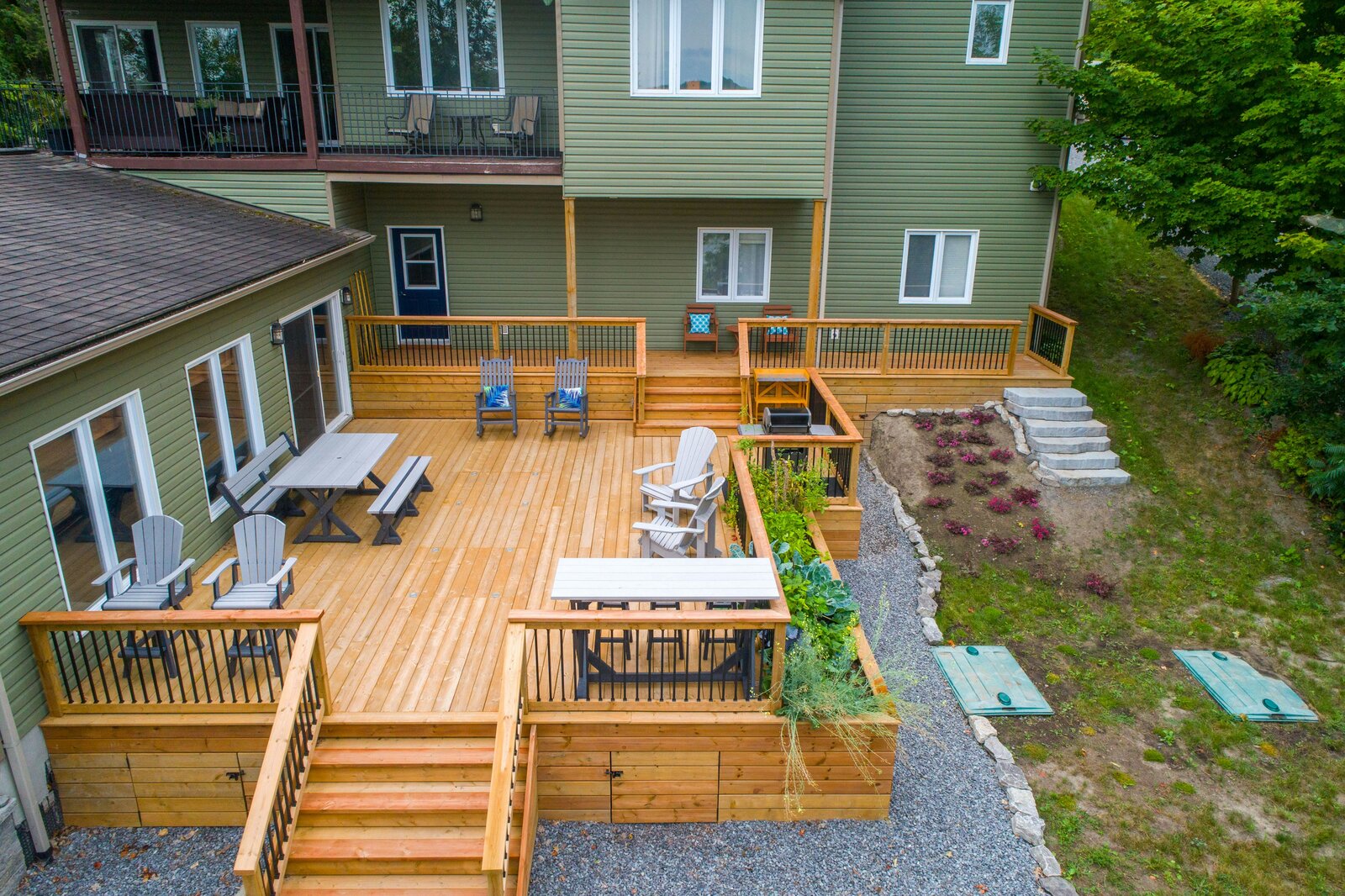
San Francisco's PermitSF legislation page lists the “Variances for existing structures” measure as signed and effective September 4, 2025. The City describes it as eliminating the requirement to obtain a Planning Commission variance to rebuild existing noncomplying structures, such as a back deck or stairs.
For a homeowner, that can be meaningful: a qualifying rebuild may no longer need that particular variance. But it is not a blanket approval for every repair or replacement. Confirm the current Planning and DBI requirements for your property and scope before filing.
Where the reform may help:
- Rebuilding a qualifying existing noncomplying deck, stairs, or similar structure
- Repair or replacement work that remains within the ordinance's scope for an existing structure
- A project where the Planning Commission variance was the only additional Planning approval at issue
What still needs project-specific review:
- Additions, expansions, changed use, or work that alters the structure beyond a qualifying rebuild
- Building-code, life-safety, historic-resource, zoning, or neighborhood requirements that apply independently of the variance rule
- The building permit and any associated DBI, Planning, or trade-permit requirements
If your project is close to the line between repair, rebuild, and addition, ask Planning or a qualified permit professional to confirm the applicable review before you commit to drawings or construction.
What it means for anyone tracking a permit
Use the performance dashboard as context, not a promise.
The permit performance dashboard makes the City's in-house performance targets and results more visible. It can help you understand the review category and current public metrics, but it does not guarantee a completion date for an individual application. Corrections, routing, scope changes, and the permits your project needs can all affect timing.
The SFUSD routing change has a limited scope.
The City's May 2025 announcement tied the removal of SFUSD routing to permits associated with new residential or commercial development. It is not a general timeline guarantee for ordinary kitchen, bathroom, or other straightforward remodel permits.
Do you need to do anything different?
If you're planning a deck repair, structural rebuild, or damage repair:
Start by confirming whether the existing structure and proposed scope fall within the signed variance reform. Then identify the building permit, trade permits, and any remaining Planning review that apply. Do not assume that “existing” or “in-kind” automatically means no permit is required.
If your project is in in-house review:
Check the public performance dashboard for context on the City's review targets, then follow the instructions from your assigned reviewer and respond promptly to correction notices.
If you are planning an Over-the-Counter project:
Use the City's current permit guidance to determine whether your project qualifies for that route. Over-the-Counter eligibility depends on the specific work, not on a general PermitSF timeline claim.
Sources and current status
- Mayor Lurie Delivers on Key Pieces of PermitSF, Announces Legislation with Major Reforms to Cut Red Tape (May 20, 2025)
- PermitSF legislation — Variances for existing structures — signed, effective September 4, 2025
- Permit performance dashboard
- Get an Over-the-Counter permit for your exterior residential project
Get your project's current permit list
Permit Compass tracks PermitSF ordinance changes as they pass and get implemented. If you're planning a repair or replacement project that might qualify under the new variance reform, we'll flag whether Planning review is still required based on your specific scope.
→ Get your specific permit guidance — $49
Related reading: